




















A waifu is a fictional female character someone likes so much that they jokingly call her their wife. Usually she comes from anime, manga or a video game. The word is the English "wife" as it sounds in Japanese (ワイフ, waifu), and fans outside Japan adopted it in the 2000s.
That is the short version. The longer one is more interesting, because "waifu" moved from an inside joke to a word you now see on figure boxes, body pillows, image generators and AI companion apps. This guide covers where it came from, the words around it, what an AI waifu is, and the character types people usually mean.
The short answer: what waifu means
When a fan says "she's my waifu", they mean one of three things, depending on tone:
- Favorite character. The most common use. "Best girl" means almost the same thing.
- Affectionate joke. A wink at how attached fans get to a fictional person. Nobody thinks they are married.
- Serious attachment. For a small group, a waifu is a real emotional anchor: someone they think about, collect merchandise of, and feel comforted by.
The word always refers to a character, not a real person. Calling an actress, a streamer or a coworker your "waifu" is a different thing, and many fans find it creepy for exactly that reason.
Where the word came from
"Waifu" did not begin as slang. Japanese has long borrowed English words, and ワイフ is a casual loanword for "wife" that some Japanese speakers used instead of older words like 家内 (kanai), which literally means "inside the house".
The fandom meaning grew from one scene. In the 2002 anime comedy *Azumanga Daioh*, an adult character drops a photo of a woman, and when asked who she is, he says she is his "mai waifu" in heavily accented English. English-speaking fans found the line funny, and it became a meme. Wikipedia's entry on waifu and Know Your Meme both trace the fan usage to that scene.
From there it spread through anime forums and imageboards in the second half of the 2000s. Fans started declaring which character was their waifu, defending that choice, and mocking everyone else's. By the 2010s the word was common enough that brands used it in marketing and non-fans recognized it.
Japan has its own parallel: 俺の嫁 (ore no yome), "my wife", used by otaku since the early 2000s for a beloved character. So the idea is not a Western invention. It is a joke both fandoms arrived at independently, with a borrowed word in the middle.
The vocabulary around it
If you are reading anime forums or comment sections, these terms show up next to "waifu":
| Term | Meaning |
|---|---|
| Husbando | Male version: a favorite male character, from "husband" |
| Best girl / best boy | The character you rank above everyone else in one series |
| Waifu wars | Friendly (or not so friendly) arguments over whose waifu is best |
| "Your waifu is trash" | Classic teasing line in those arguments; rarely meant seriously |
| Waifu tier list | Ranking of characters, usually shared as an image |
| Dakimakura | Body pillow with a printed character, the stereotypical waifu merch |
| Ore no yome | Japanese fandom equivalent, "my wife" |
You will also see "waifu material", which means a character (or occasionally a trait) that fits someone's ideal. "Comfort character" is a newer, gender-neutral phrase for a similar feeling without the marriage joke.
Waifu vs husbando vs AI waifu
The three words overlap but describe different relationships.
| Waifu | Husbando | AI waifu | |
|---|---|---|---|
| Who she or he is | Female character from existing media | Male character from existing media | Original character you pick or design |
| Where they come from | A show, manga or game | A show, manga or game | A companion app or chatbot |
| Talks back? | No, the story is finished | No | Yes, by text, and on some apps by voice |
| Changes over time? | Only if the series continues | Only if the series continues | Yes, through your conversations |
| Belongs to | The creators of that series | The creators of that series | Fictional, often made for you |
The key difference is interaction. A classic waifu is someone you admire from outside her story. An AI waifu is a character you talk to, so the story is partly yours. Our AI waifu guide explains how to design one who stays consistent.
Waifu archetypes fans talk about
Many anime heroines are built on recognizable personality types. Fans often describe their waifu by type before naming her. These are the ones you will hear most:
- Tsundere. Prickly on the outside, soft underneath. Denies caring, then shows up with the thing you needed.
- Kuudere. Calm, cool, almost expressionless. Warmth comes out in small, rare moments.
- Dandere. Shy and quiet until she trusts you, then surprisingly talkative.
- Yandere. Sweet on the surface, obsessive underneath. Fun as fiction, alarming in real life.
- Onee-san. The confident, older-sister type: teasing, capable, a little protective.
- Genki. High energy, always excited, drags everyone into plans.
- Ojou-sama. Wealthy, elegant, sometimes haughty, often hiding a soft spot.
Each type has its own clichés and its own ways to go wrong in chat. We go through them one by one, with sample openers, in our guide to anime waifu archetypes.


Is having a waifu weird?
Mostly, no. Loving a fictional character is old: people have had crushes on novel heroines, film stars' roles and cartoon characters for as long as those existed. "Waifu" just gives the feeling a name and a sense of humor.
A few honest points, without the lecture:
- It is usually a joke with a real feeling inside. Fans know she is fictional. The attachment can still be sincere, and that is fine.
- It can be comfort. A familiar character can help on a lonely night. Many people use a favorite character or an AI companion that way and still have full lives.
- It becomes a problem the same way any hobby does. If it costs money you do not have, keeps you from sleeping, or replaces friendships and relationships you actually want, that is worth noticing.
- Keep it fictional. The term has never been a good fit for real people. Applying it to someone who has not agreed to it turns a fan joke into objectification.
If you are thinking about an AI companion rather than a character from a show, our virtual girlfriend guide looks at what these relationships can and cannot give you.
How people use "waifu" in 2026
The word has spread well beyond anime forums:
- Casual praise. "Waifu material" for a character, sometimes ironically for a car or a game.
- Merchandise. Figures, acrylic stands, pillows and art prints sold as "waifu" goods.
- Art and image tools. "Waifu" shows up in the names of anime-style image generators and upscalers.
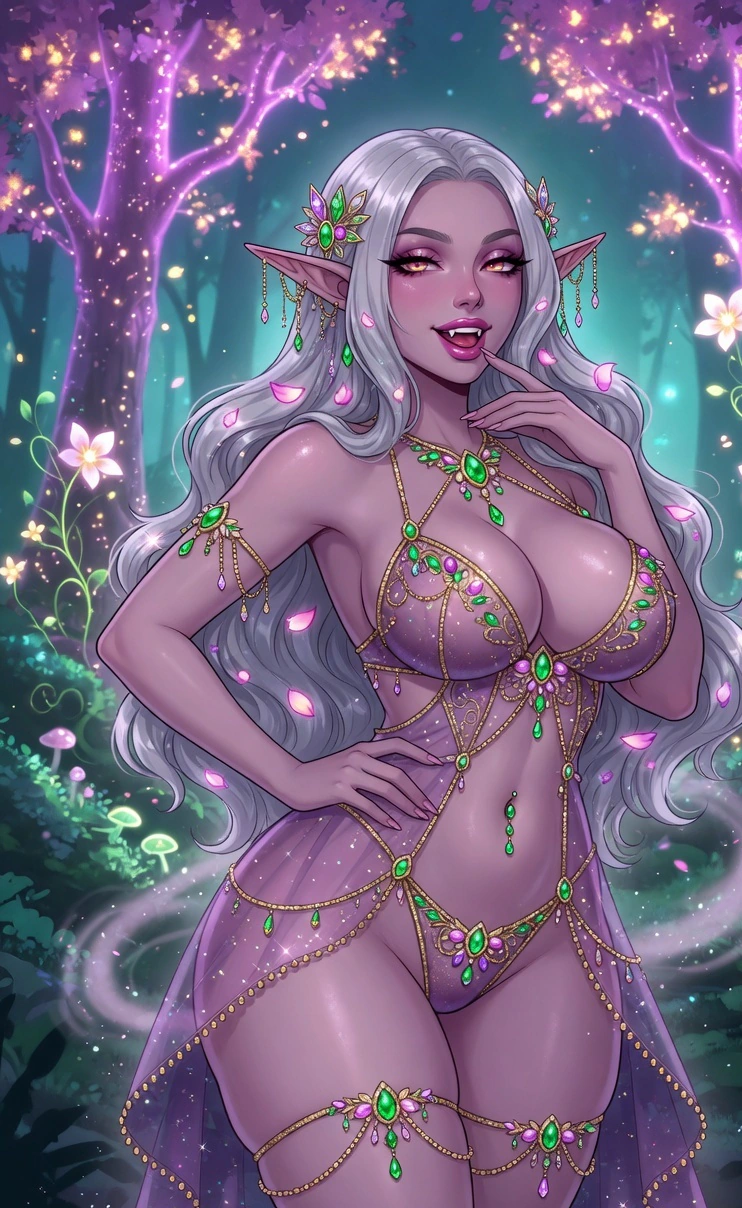
- AI companions. Apps now let you talk to an original anime or realistic character, which people call an AI waifu.
That last use is the biggest change. The old joke was that your waifu could never answer you. Now she can, at least in text and voice, which is why it helps to think about privacy before getting attached. Our AI companion privacy guide covers what to check.
From fan term to your own AI waifu
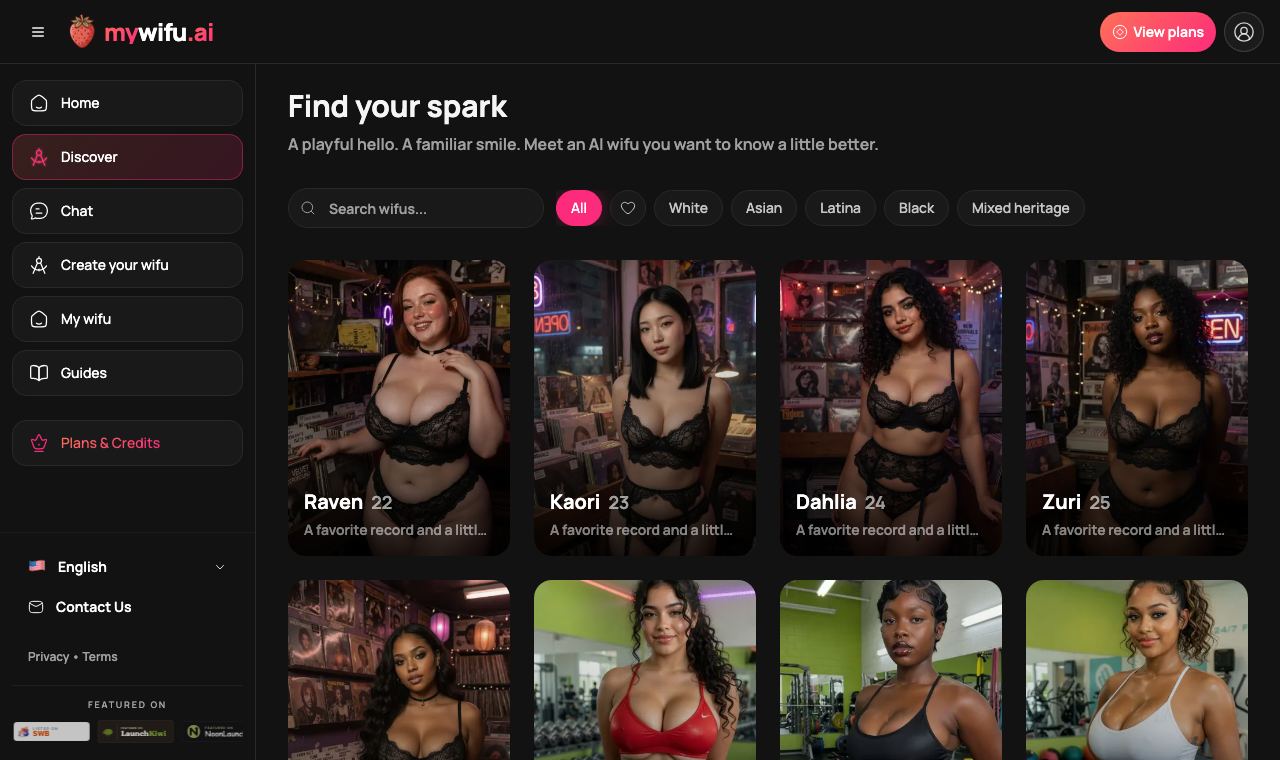
If you like the idea but want a character who talks back, an AI waifu is the natural next step. On mywifu you have two ways in:
- Pick a ready-made companion. The discover page lists 111 companions, 25 of them in anime style. You can browse without an account.
- Design your own. The creator starts with a style (Realistic, Anime or Illustrated), then her look, adult age, personality, how she flirts, your relationship and her voice.
What you should know before starting:
- mywifu is for adults, 18+. Every character is a fictional adult; the creator's youngest age option is 21.
- Female companions only. There are no husbandos on mywifu right now.
- Free part. You can go through the creator without an account. After signing up, her first three photos are free.
- Paid part. Chat replies, voice calls, and more photos and short videos need a one-time membership with credits. There is no free chat. The plans page shows current prices.
- Archetypes are set up in chat. The creator has fixed choices such as Playful, Confident or Mysterious, not a "tsundere" button. Pick the closest mix, then describe the personality in your first messages.
For the adult side of anime characters, including image prompts that keep characters clearly adult, see our guide to sexy waifu art.
A waifu started as a fan joke about a character who could never answer. If you want one who can, start with the creator or browse the anime companions and see who feels right.
Frequently asked questions
What does waifu mean?
Waifu is fan slang for a fictional female character someone is especially attached to, usually from anime, manga or games. It comes from the English word wife as pronounced in Japanese (waifu).
Where did the word waifu come from?
Japanese already used waifu as a loanword for wife. Anime fans outside Japan picked it up after a 2002 Azumanga Daioh scene in which an adult character calls a photo of his wife his mai waifu, and it spread through forums and imageboards in the late 2000s.
What is the male version of waifu?
Husbando. It follows the same pattern, from husband, and means a favorite male character. Some fans use gender-neutral terms such as comfort character or fave.
Is it weird to have a waifu?
For most fans it is a playful way to say they love a character. It only becomes a problem when it replaces sleep, money, friendships or real relationships you still want, which is true of any hobby.
What is an AI waifu?
An AI waifu is an original, fictional adult character you can talk to. Instead of admiring a character from a finished story, you chat with her, and on some services you can also get photos, short videos or voice calls.
Can I get an AI husbando on mywifu?
No. mywifu currently offers female companions only, both ready-made and custom, all fictional adults. If you want a husbando, you will need a different service.
Make it personal
Your type. Your pace. Your story.
Meet an AI wifu who catches your eye, or create her yourself. Start with a hello and see where your imagination takes you.
Discover wifus